
An asphalt driveway quote may begin with a square-foot price, but the total depends on the surface being paved and the work underneath it. Removing an old driveway, preparing the base, and addressing drainage can make two proposals look very different.
Ask each contractor to measure the same area and describe the full project. A published range helps you start the conversation, while a written estimate should reflect the condition and layout of your property.
Use a dated installed range carefully
In a guide published May 28, 2025, HomeGuide reported $5 to $12 or more per square foot for asphalt materials and professional installation. Its example for a 20-by-20-foot driveway was $2,000 to $4,800.
The source notes that location, area, asphalt type and thickness, and the existing surface affect the cost. Its historical benchmark is not a current price for your driveway and does not tell you which preparation your site needs.
For an illustration, a 400-square-foot area at an assumed $8 per square foot is $3,200. That is a calculation, not a contractor’s offer; confirm whether removal, base work, drainage, and other charges are included before relying on a unit price.
Confirm the area and shape
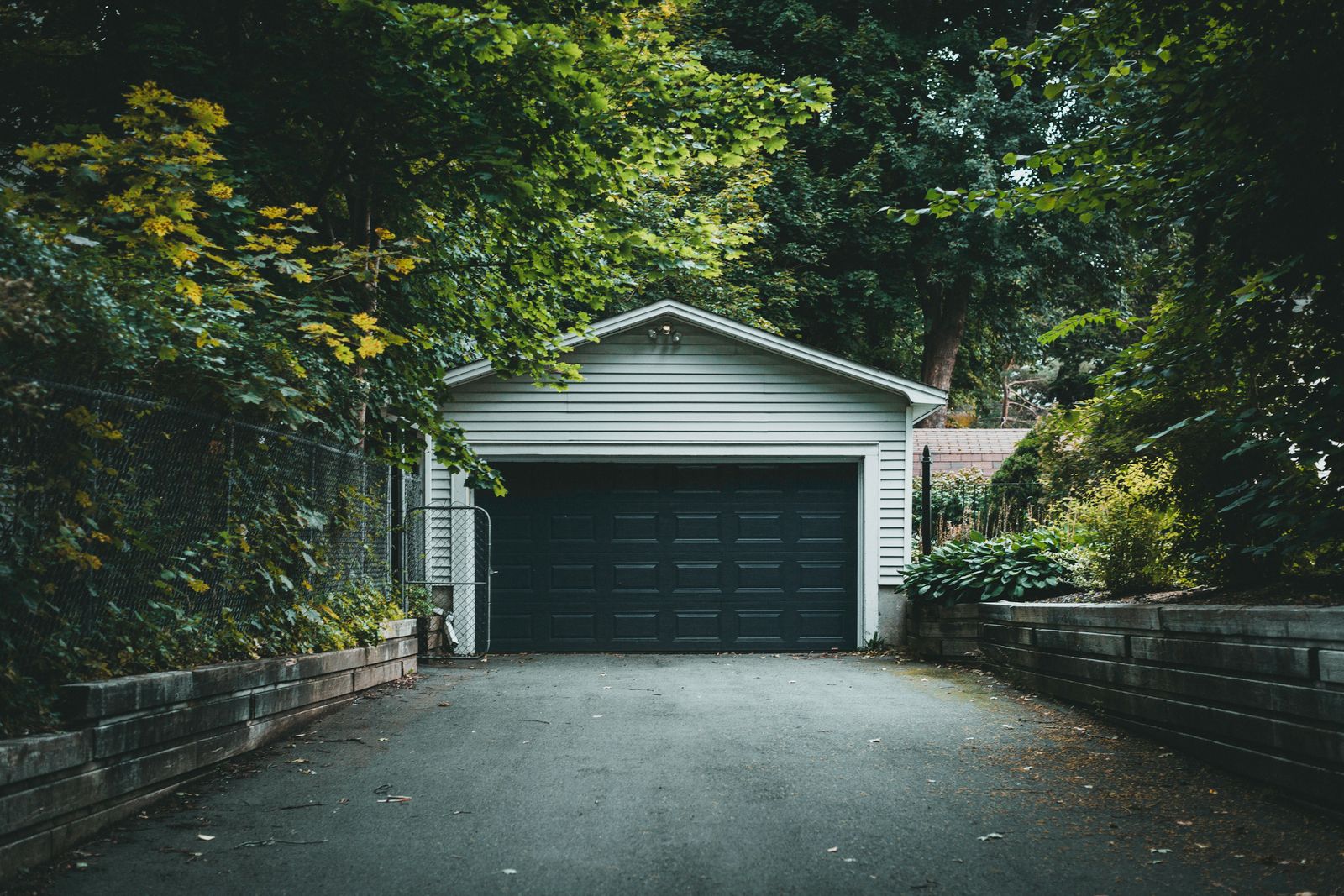
Have the contractor identify the surfaces included in the measurement. A parking pad, a turnaround, a path to a garage, or a section near the street may be included in one proposal and omitted from another.
Ask how irregular areas are measured and whether the quote includes the full width and length you expect. A sketch with dimensions can make it easier to compare estimates and recognize a missing section.
If you want to change the footprint, explain the desired layout before the estimate. Expanding the area can involve different preparation or local requirements from resurfacing an existing driveway.
Distinguish paving from preparation
An estimate should explain the condition of the existing surface and the preparation the contractor proposes. Ask whether the job includes removing old material, grading, base work, and disposal.
A lower price may assume the existing surface can remain, while another contractor may recommend removal or additional base work. Ask each to explain the condition supporting that recommendation and what remains uncertain.
Don’t assume a new top layer will correct a drainage or base problem by itself. If the contractor identifies a concern, request a written description of the proposed solution and whether it is included.
Ask about the asphalt and finished work
Have the contractor specify the material and the proposed thickness or layers in writing. If those details differ between estimates, ask how each proposal relates to the condition and intended use of your driveway.
Ask how the edges and transitions to the garage, sidewalk, or street will be handled. A complete project may include details that don’t appear in a simple price-per-foot advertisement.
If the work must connect to a public road or sidewalk, ask about any applicable local requirements and who will coordinate them. The contractor or local authority can explain what applies to your address.
Include drainage in the discussion
Show the contractor where water currently collects or flows during rain. Ask whether the proposed grading changes those conditions and whether any drainage work is included in the quote.
A driveway estimate may exclude drains, changes to adjacent landscaping, or repairs outside the paved area. If another trade is needed, request a separate scope and price rather than assuming the paving contractor will handle it.
The appropriate solution depends on the site. A general cost guide cannot determine the grade or drainage design needed for your property.
Compare removal and disposal
If an old driveway will be removed, ask what material is included, how it will be hauled away, and whether disposal fees are part of the stated total. Also ask what happens if the crew discovers a different layer or condition beneath it.
For a proposal that leaves existing material in place, ask why that approach is suitable and what preparation will be performed. The answer should address the actual surface rather than rely only on the lowest initial price.
If access for equipment is limited, point out gates, landscaping, utilities, and other obstacles before accepting the estimate. Ask whether protection or restoration of adjacent areas is included.
Plan for hidden conditions
Some conditions may not be fully visible until the old surface is removed. Ask the contractor how unexpected soft areas, unsuitable material, or other findings will be documented and priced.
A written allowance can help you reserve funds, but ask what it covers and how the bill changes if the work is less or more extensive. Approve a change in scope and price before additional work begins.
You may also keep a separate household reserve for uncertainty. That reserve is not an automatic contractor fee and does not replace a written change order.
Compare the complete estimates
Imagine quote A is $3,200 for paving but excludes $500 of removal. Quote B is $3,800 and includes removal for the same area and work. If the rest of the scope matches, the illustrative totals are $3,700 and $3,800.
Before choosing, compare the measured area, removal, base preparation, material, thickness, edges, drainage, disposal, and cleanup. Mark missing details as questions and ask for written answers.
Ask whether there is a minimum charge for a small job and how long the quote remains valid. A published national range may not reflect the contractor’s current local costs or minimum.
Review the contractor and schedule
The FTC recommends checking references and obtaining home improvement estimates in writing. Verify applicable licensing and insurance and review the payment schedule before signing.
Ask when the work is expected to begin, how weather may affect it, and what access the crew needs. If a delay occurs, find out how the contractor will notify you and whether it changes the price.
Request the written workmanship warranty and ask what it covers, what maintenance is expected, and whom to contact if a concern appears. Warranty terms differ, so compare the actual documents rather than a headline alone.
Coordinate adjacent work
If another contractor will repair a garage apron, install a drain, or restore landscaping, clarify which work must happen first. Ask each company where its responsibility begins and ends so an important transition isn’t omitted from both estimates.
Confirm whether the paving quote includes returning to finish an edge after another trade completes its work. If a second visit would cost extra, include that charge when comparing the proposals.
A simple sketch of the work area and access route can help everyone discuss the same boundaries. Keep the sketch with the final agreement and approved changes.
Prepare for the work and follow-up
Ask when vehicles and deliveries must be moved and how the property will be protected during the job. Find out when the contractor says the surface can be used and follow the instructions for the specific installation.
At completion, review the agreed area and discuss any outstanding items with the contractor. Keep the signed proposal, approved changes, invoice, and warranty together for future reference.
A useful driveway budget accounts for the work beneath and around the pavement as well as the surface itself. Compare written scopes for your property, then decide which proposal addresses the conditions you have.
Sources
- HomeGuide: Asphalt driveway cost, published May 28, 2025. Historical installed range, size example, and cost factors.
- FTC: How to avoid a home improvement scam. Written estimates and contractor checks.