
An attic insulation quote can look simple: a price, an insulation type, and a promised depth. But two estimates can cover very different work, especially when one includes air sealing or removal and the other doesn’t.
Use the figures below as a starting point, then compare the actual area, target insulation level, and preparation in each proposal. A contractor needs to inspect your home before you can know what your project will cost.
Start with a dated price range
In a guide published January 13, 2026, HomeGuide reported attic insulation costs of $1 to $4 per square foot installed and a typical total of $1,000 to $2,700. Its figures reflect the site’s research and costs reported by its members; they are not a current quote for your address.
Those two ranges describe different things. The per-square-foot range is a broad way to think about area and material choices, while the total range summarizes projects in the source’s data. Multiplying one doesn’t guarantee you’ll land inside the other.
For a simple illustration, 1,000 square feet at an assumed $2 per square foot is $2,000. That’s an example, not a rate offer, and it doesn’t automatically include old insulation removal, sealing, repairs, or a permit.
Find out which surface is being insulated
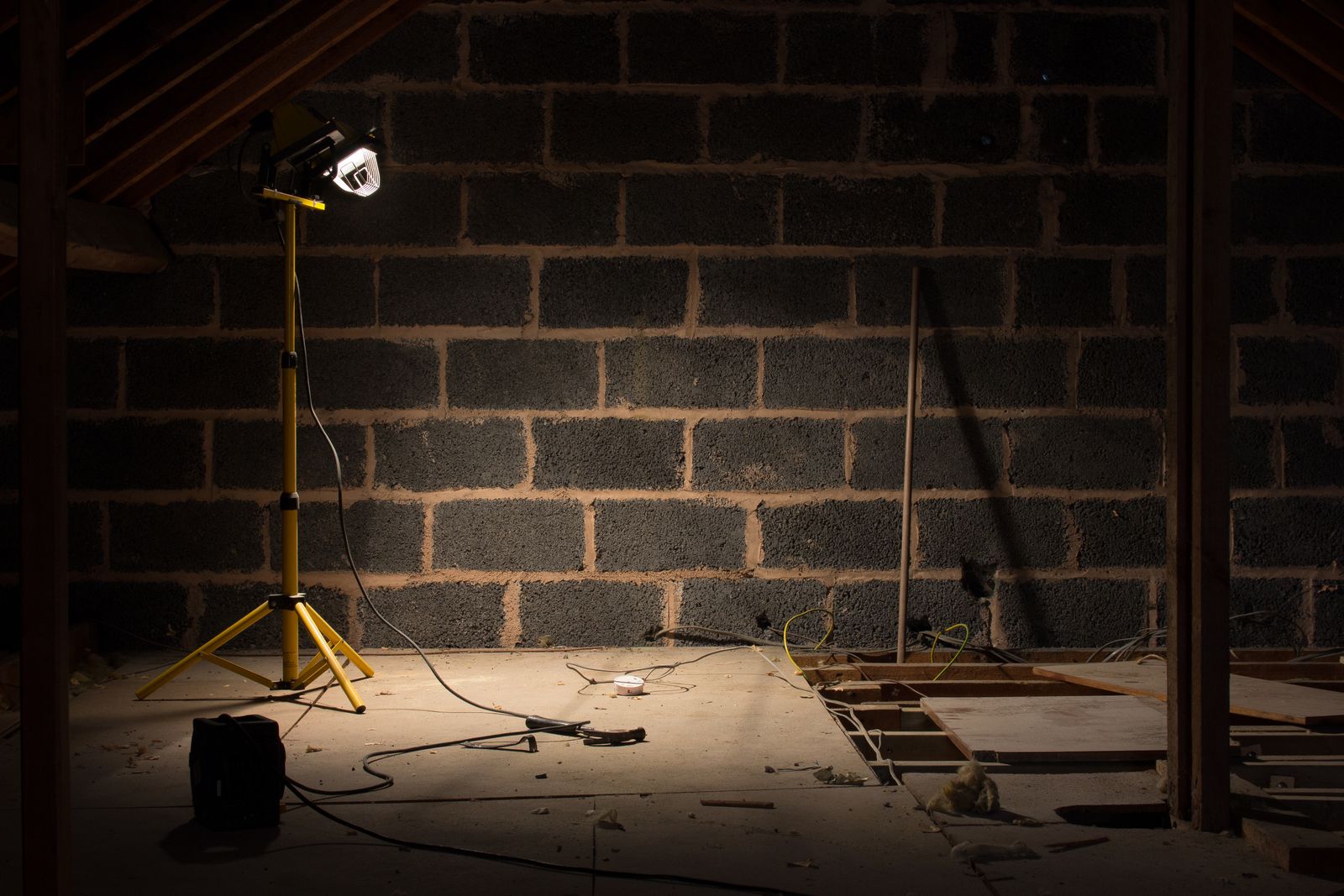
First ask the contractor to identify the thermal boundary: the surface that separates conditioned living space from the attic. In a typical vented, unconditioned attic, the insulation may be on the attic floor; another design may place it along the roof deck.
These aren’t interchangeable line items. The surface area, materials, access, and other details can differ, so a quote for the attic floor shouldn’t be compared directly with one for the roof deck without understanding the full proposed assembly.
Have each contractor mark the work area on a sketch or describe it in writing. Ask whether the measurement excludes the access hatch, platforms, or any other spaces.
Compare the target, not just the number of inches
Insulation slows heat flow, and its resistance is expressed as R-value. A proposal should state the existing level if it can be assessed, the intended finished R-value, the product, and how the installer will verify the completed work.
Different materials don’t provide the same R-value at the same thickness. If an estimate gives only inches of material, ask how that thickness relates to the product’s installed R-value and whether the number accounts for any existing insulation.
Recommended insulation levels depend on climate and the home’s existing conditions. The U.S. Department of Energy attic checklist identifies preparation and installation details to discuss with your contractor, including the intended insulation level and the condition of the attic.
Ask what happens before the insulation goes in
Gaps around attic penetrations can let conditioned air move between the house and attic. Adding insulation and sealing those air leaks are related but separate tasks, so check whether the quote identifies sealing work and the areas it covers.
An installer may also need to preserve the intended ventilation path at the eaves. Ask how the proposed work will keep insulation from blocking vents where the attic design requires them, and how the crew will handle the hatch and any existing walkways.
If you see staining, damp insulation, or signs of pests, point them out before accepting a scope. A quote to cover insulation doesn’t automatically fix a roof leak, remove contaminated material, or address the source of a pest problem.
Check whether removal is actually needed
Some projects add material over existing insulation; others need a separate removal or cleanup step. The right answer depends on the material’s condition and the underlying issue, so ask the contractor to explain the reason for the recommendation rather than assuming replacement is always necessary.
Have removal quoted as its own line when possible. Confirm what will be removed, how it will be contained and disposed of, and whether access or additional cleanup is included.
Older insulation can require special care. The EPA cautions that vermiculite insulation may contain asbestos and advises against disturbing it; if you suspect it, avoid handling it and seek qualified local help.
Put two estimates on the same footing
Imagine quote A is $2,100 for insulation alone. Quote B is $2,450 and includes a sealing allowance that A excludes. If A’s contractor provides a separate $250 sealing price for the same work, the illustrative comparison becomes $2,350 versus $2,450—not $2,100 versus $2,450.
That comparison is useful only if the areas, target R-values, materials, access conditions, and cleanup match. A low allowance may also leave you paying more later, so ask what happens if the actual work exceeds it.
For each bid, write down:
- The measured surface and the target finished R-value.
- The material and amount, including how existing insulation is treated.
- Air sealing, access hatch, and ventilation details.
- Removal, disposal, repairs, and any permit costs.
- Payment schedule, change-order process, and warranty terms.
If an item isn’t mentioned, ask for a written answer. Silence is not the same as an included service.
Plan for surprises without treating them as a quote
The crew may discover a problem that wasn’t visible during the estimate. Ask how the contractor will stop, document it, and obtain your approval before doing additional work.
You can reserve a separate cushion in your own budget for uncertain work, but keep it distinct from the contractor’s stated price. A cushion isn’t proof that a particular repair is necessary or that the contractor will perform it.
If a quote depends on a later inspection, ask when that inspection happens and what might change. Also confirm how long the price is valid; a historical online range cannot lock in local labor or material prices.
Look at access and working conditions
A small attic opening, a low roof, or equipment in the work area can change the time and labor needed. Ask whether the contractor has inspected the access route and included the measures needed to reach the full area safely.
If ducts or wiring cross the attic, the installer should explain how the work will be coordinated around them. The DOE checklist also calls for addressing ventilation, water damage, and certain wiring concerns before insulation proceeds; those items may require a different professional and a separate estimate.
Don’t climb into an unfamiliar attic just to measure it for a quote. You can describe the access and visible concerns to the contractor and ask how the inspection will be handled.
Questions to ask before scheduling
Ask who will do the work and whether the company has the local licenses and insurance appropriate to the job. The FTC’s home improvement guidance recommends checking references and getting important details in writing.
Find out how your home and belongings will be protected, whether you need to clear an access route, and how the crew will leave the space. Ask for a copy of the product information and documentation of the finished insulation level.
Finally, compare the proposals for the same result—not just the lowest total. A clear scope gives you a better basis for deciding what to approve and helps you recognize an extra charge before the work begins.
Keep the proposal and any completion documents together. If you seek another estimate later, those records can help a contractor understand the area, product, and work that were previously included without relying on memory alone.
Sources
- HomeGuide: Attic insulation cost, published January 13, 2026. Historical installed cost ranges and stated methodology.
- U.S. Department of Energy: Attic air sealing and insulation checklist. Installation and preparation guidance.
- EPA: Protect your family from asbestos-contaminated vermiculite insulation. Safety guidance.
- FTC: How to avoid a home improvement scam. Contractor selection and written agreements.