
An air conditioner replacement quote can include much more than the outdoor unit. The indoor equipment, electrical work, installation, and any changes to existing ductwork all affect what you receive for the price.
Before comparing estimates, ask each contractor to identify the system being proposed and the work needed for your home. A dated price range can help you frame the conversation, but it cannot size the equipment or predict your final bill.
Start with the scope behind the benchmark
In a guide published July 25, 2025, HomeGuide reported an average installed replacement range of $5,000 to $8,300 for a standard-efficiency AC unit. Its table describes an example based on a 2,000-square-foot home and excludes ductwork modifications or replacement.
That range is historical context from HomeGuide’s research and reported costs, not a current local offer. Your home, equipment, and installation conditions may differ substantially from the source’s example.
Don’t multiply the range by your floor area to produce a guaranteed price. Ask contractors for written proposals that explain the equipment and installation work actually required at your address.
Identify what is being replaced
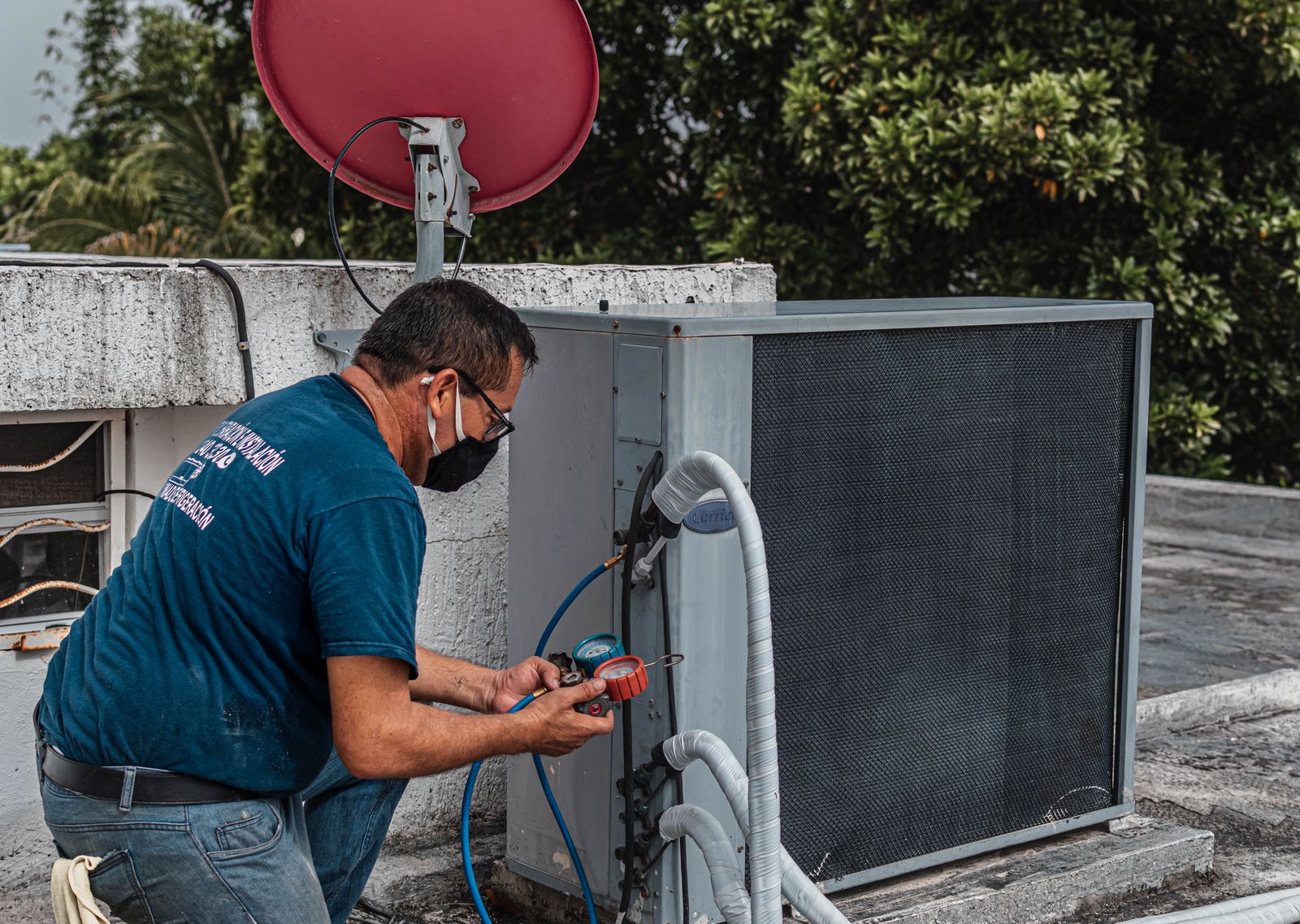
A central cooling system has components both outside and inside the home. Ask the contractor to list the equipment included in the proposal and explain which existing components, if any, will remain.
One estimate may cover an outdoor unit and associated indoor work, while another may include additional components or a different system configuration. Those totals are not directly comparable until you understand the scope.
Have the installer identify model numbers or the specifications used for the quote, including the proposed efficiency rating. If a model is unavailable when you schedule, ask how a substitute will be approved and priced.
Ask how the system was sized
A larger unit is not automatically the right choice. The appropriate capacity depends on the home’s characteristics and the cooling load, not just the number of rooms or a quick square-footage rule.
Ask what information the contractor used to assess the home and whether they performed or will perform a load calculation. If the proposals recommend different capacities, ask each contractor to explain the difference in writing.
Tell the contractor about rooms that are consistently uncomfortable, recent insulation or window changes, and any planned renovation. Those details give them useful context without turning a general online range into an equipment recommendation.
Compare efficiency along with the installed price
A more efficient system may have a higher initial price, but its operating cost depends on local electricity rates, usage, climate, installation, and the condition of the rest of the system. A quoted savings figure is an estimate, not a guarantee for your household.
Ask for the efficiency rating and the assumptions behind any projected savings. Confirm whether the estimate compares the same equipment scope and whether maintenance or other recurring costs are included in the calculation.
If a rebate or tax incentive is mentioned, check the program’s current terms, eligibility, and deadlines with the actual provider. Keep an incentive separate from the contractor’s price until you know you qualify and understand how it is paid.
Check ductwork and airflow
An installer may find that existing ducts need repair, sealing, or modification. A system replacement quote doesn’t necessarily include those changes, so ask what was inspected and what is included.
The HomeGuide benchmark above explicitly excludes ductwork modification or replacement. If a contractor recommends duct work, request a separate description and price, including the rooms and sections affected.
Ask how the contractor will check airflow and whether any concern needs a separate assessment. If ductwork is concealed or inaccessible, the estimate should explain what remains uncertain and how a later discovery will be handled.
Look for electrical and other installation work
A proposal may need to address the electrical connection, a disconnect, equipment pad, condensate drainage, or other site-specific details. Ask which items are included and who is responsible for any work performed by another trade.
Check whether the estimate includes removal and disposal of the old equipment. Ask about permit fees and inspections where required, and confirm who will arrange them with the local authority.
If refrigerant handling is part of the job, use a qualified technician. The EPA explains that technicians performing activities that could release refrigerant must have the appropriate Section 608 certification.
Put competing quotes on the same basis
Imagine quote A is $7,000 and excludes a separately priced $400 electrical task. Quote B is $7,500 and includes that same task. If all other details matched, the illustrative comparison would be $7,400 versus $7,500.
In practice, equipment, warranties, ductwork, permits, and startup procedures may differ. List those differences before deciding that one number is lower for the same result.
For each proposal, note the equipment and capacity, efficiency rating, included labor, electrical work, ductwork, removal, permits, startup, and warranty. Mark an unmentioned item as a question rather than treating it as included.
Plan for work that is still uncertain
Some issues may not be visible until an old component is removed or a concealed area is opened. Ask how the contractor will document the condition, explain the additional work, and obtain your approval before changing the price.
You can keep a separate budget reserve for uncertainty, but it is not a fee automatically owed to the installer. A written change order should identify the extra scope and its price.
If the quote includes an allowance, ask what it covers and how the final invoice will reflect a difference between the allowance and actual work. Also confirm how long the quoted price is valid.
Ask what happens to the old equipment
The proposal should explain whether the installer will remove the old indoor and outdoor components and leave the work area clear. If any existing component stays in place, ask why it is compatible with the proposed system and whether that affects the warranty.
Find out whether removal and disposal are included in the quoted total. If the contractor identifies access limitations, request an explanation of any additional labor or equipment charge before agreeing to the work.
You shouldn’t disconnect refrigerant lines yourself to save a removal fee. Ask the installer how the old system will be handled and what documentation you will receive.
Review the warranty and service plan
Ask for the written equipment and workmanship warranty terms before you sign. They may have different issuers, durations, exclusions, and steps for making a claim.
Find out whether registration or routine maintenance is required and who is responsible for it. If a service plan is offered, request its price and details separately so you can decide whether it fits your needs.
The FTC recommends checking references and getting important project terms in writing. Confirm local licensing and insurance requirements, the payment schedule, and how to contact the company after installation.
Prepare for installation day
Ask how long the work is expected to take, which areas need to be accessible, and whether you should expect an interruption to cooling or power. Timing can change if the equipment is delayed or additional work is discovered.
Before the crew leaves, ask what checks were performed and how to operate and maintain the new system. Keep the model information, warranty documents, inspection records where applicable, and final invoice together.
A useful estimate gives you a clear equipment choice and a complete description of the work. Compare the proposals for your home, then ask for clarification on anything that remains uncertain before you commit.
Sources
- HomeGuide: AC replacement cost, published July 25, 2025. Historical installed benchmark and exclusions.
- EPA: Section 608 technician certification requirements. Refrigerant handling certification.
- FTC: How to avoid a home improvement scam. Contractor checks and written agreements.