
A house cleaning quote can be a flat price per visit, an hourly charge, or a price based on the rooms and tasks you request. The cheapest number may cover a shorter visit or leave out the work you expected.
Start by deciding what you want cleaned and how often. Then ask each provider to price the same scope, explain extra charges, and put the arrangement in writing.
Use a published range as context, not a quote
In a guide updated October 27, 2026, Housecall Pro reported a typical range of $140 to $220 for a standard cleaning. The company says its benchmarks use customer-reported service entries from the 12 months ending September 2026, and individual entries may not include every charge on a final bill.
Your price can differ with location, home condition, frequency, and the tasks included. An hourly rate also doesn’t tell you the total unless you know how many cleaners will work, how long they will be there, and whether supplies, travel, or minimum charges are included.
Ask for a current written price for your home and the tasks you want. Use the published range to frame your questions, not to predict your bill.
Decide what a standard visit means to you
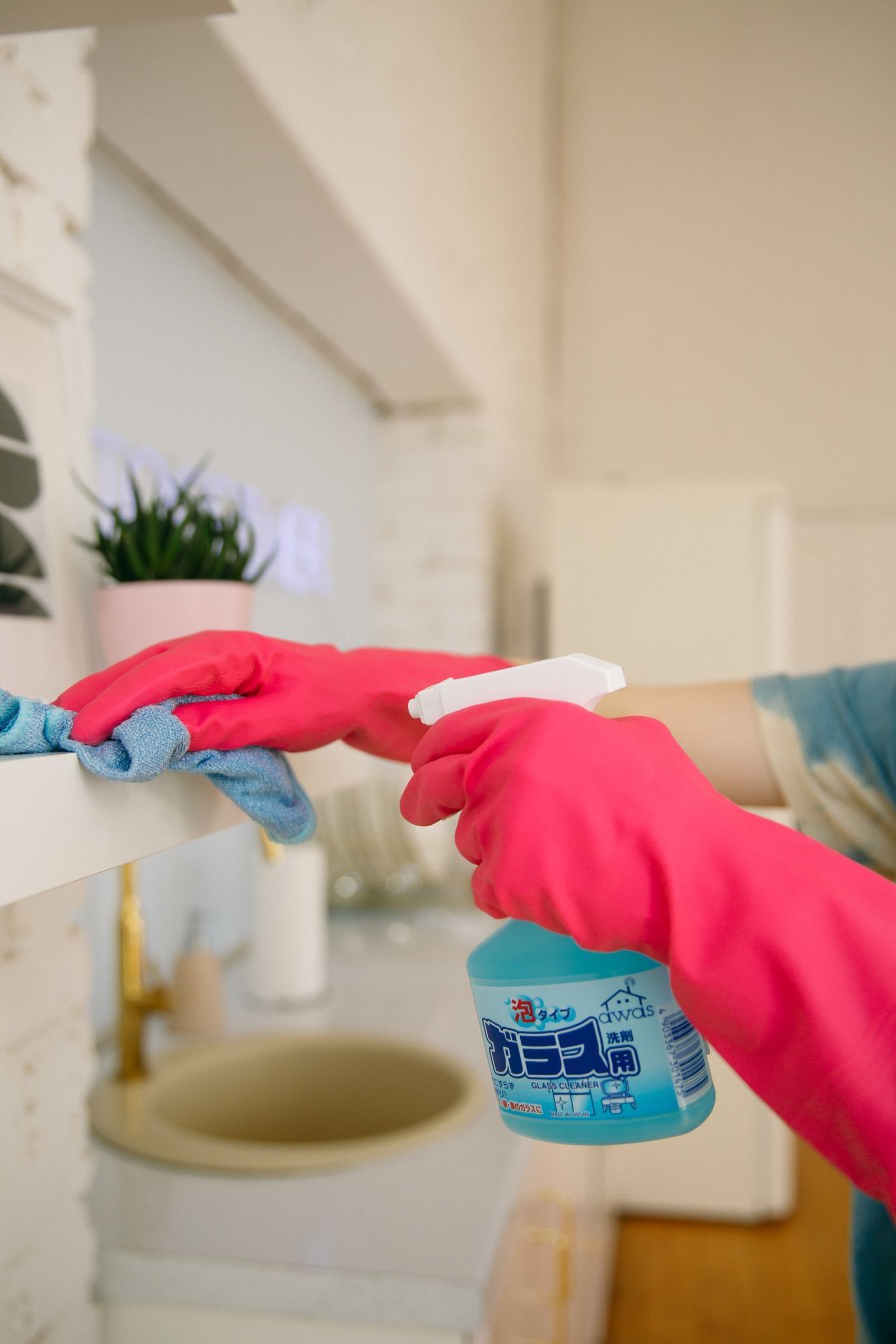
“Standard cleaning” is not a universal checklist. One provider may include a kitchen and bathrooms but exclude the inside of appliances, changing bed linens, or other tasks that matter to you.
Write down the rooms you want included and any priorities, such as floors, counters, or bathrooms. Ask each provider for their own task list and compare it with yours before you compare prices.
If you want the inside of a refrigerator, an oven, or cabinets cleaned, ask whether it is included and what preparation is needed. A separate task can affect both the time and price of the visit.
Compare hourly and flat-rate offers
For an hourly quote, confirm whether the rate applies per cleaner or to the entire team. Ask whether travel time, setup, supplies, or a minimum number of hours are charged separately.
For example, two cleaners working two hours each at an assumed $35 per cleaner-hour would total four cleaner-hours, or $140 before any extra charges. If a company quotes $35 per team-hour instead, the calculation is different; ask the provider which unit it uses.
A flat quote can make the visit price easier to plan, but you still need the scope. Ask what happens if the work takes longer than expected or you add a task after the cleaner arrives.
Separate the first visit from recurring service
Some providers quote an initial visit separately from later recurring visits. The first appointment may cover a different task list or require more time, so ask for both prices and what each includes.
If you want weekly, every-other-week, or monthly visits, confirm the schedule and whether the rate depends on maintaining that frequency. A discounted recurring rate may not apply to a one-time appointment or a longer gap between visits.
Ask what happens if you skip a visit, change the day, or pause service. Knowing the cancellation and rescheduling terms helps you compare the actual commitment, not just the advertised price.
Turn a visit price into a planning figure
A monthly budget depends on the frequency. For an illustration, a $150 visit every two weeks would be about 26 visits per year, or $3,900 annually; dividing by 12 gives an average of $325 per month.
That monthly average is not necessarily the amount charged every calendar month. Some months contain more scheduled visits than others, so check the actual dates and billing method with the provider.
For a four-week schedule, use 13 visits per year rather than assuming it always means one visit in each calendar month. Multiply the visit price by the number of scheduled visits, then add any agreed extras separately.
Check extras and limits before booking
Ask whether the quote includes supplies and equipment or whether you need to provide anything. If you have a preference or sensitivity, discuss it in advance so the provider can say what is practical and whether it changes the price.
Other potential extras may include interior windows, laundry, dishes, or cleaning after a move. The exact list varies by provider, so request prices for your priorities rather than assuming every company treats them alike.
Also ask about exclusions. A company may not move heavy furniture, handle certain materials, clean high areas, or perform restoration work. Understanding those limits helps you decide whether you need a different specialist.
Explain the home and access conditions
The number of rooms is useful, but it doesn’t describe every job. Tell the provider about the areas to be cleaned, pets, parking or access limits, and anything that could affect the time or equipment needed.
Ask whether the company needs to see the home before confirming a fixed price. If the quote depends on an inspection or photos, find out what circumstances could change it and when you would be notified.
Discuss access and security directly with the provider. Agree on how the cleaner will enter, whether someone needs to be home, and how you will communicate if the schedule changes.
Compare quotes for the same work
Imagine provider A charges $150 for a standard visit but quotes $25 separately for the inside of an oven. Provider B charges $170 and includes that same oven task. If the rest of the work matches, the illustrative totals for that visit are $175 and $170.
That comparison isn’t complete if the providers use different task lists, cleaning teams, or cancellation rules. Ask each one to confirm the rooms, extras, supplies, visit frequency, and total price before choosing.
Keep a short written checklist with the estimate. Mark anything the provider hasn’t answered as unknown, and request clarification instead of assuming it is included.
Ask about the people and policies behind the service
Find out whether the same person or team is expected each time and whom to contact if you have a question about the work. Ask how the provider handles a missed task, damage concern, or a change to the original scope.
You can ask for references and proof of any insurance the provider says it carries. Verify the details that matter to you and read the agreement rather than relying only on a short advertisement.
Clarify payment timing, accepted methods, taxes or fees if applicable, and whether tips are included or optional. Policies differ, so a direct answer from the provider is more useful than a general rule.
Make the quote easy to compare later
Save the provider’s written task list alongside the price and the date it was quoted. If you receive a revised offer, ask which tasks, frequency, or terms changed so you can compare the two versions.
A short walkthrough before the first visit can also help identify misunderstandings about the rooms or areas included. Point out items that need special care and ask the provider whether they are within the agreed scope.
If you decide to add work later, request the new price before the visit. That gives you a chance to adjust your schedule or budget rather than discovering an extra charge on the invoice.
Review the first visit and adjust
After the first appointment, compare the work with the agreed checklist and note any questions while the details are fresh. If your priorities changed, ask the provider whether the revised scope affects the next price.
A useful arrangement leaves both sides clear on the work, timing, and cost. Keep the current quote and any agreed changes so you can update your budget when your schedule or needs change.
Source
- Housecall Pro: House cleaning prices, updated October 27, 2026. Customer-reported standard-service benchmark and methodology.