
A painting quote may name a price for one room, but the work behind that number can vary. One painter might include ceilings and trim, while another prices only the walls and leaves repairs as an extra.
Before you choose a quote, identify the surfaces, preparation, materials, and cleanup you expect. A clear scope gives you a more useful comparison than a room price by itself.
Use a dated range as a starting point
In a guide posted March 6, 2026, Housecall Pro reported that many single-room painting jobs range from $400 to $1,200. The guide also notes that preparation, ceiling height, surface condition, and labor affect the price.
That published range is context, not a quote for your room or a guarantee that every surface is included. Ask each painter for a current written estimate based on the actual space and the finish you want.
A room can have an unusual layout, extensive trim, or a surface that needs repair. The number of rooms alone doesn’t describe all of the work.
List the surfaces you want painted
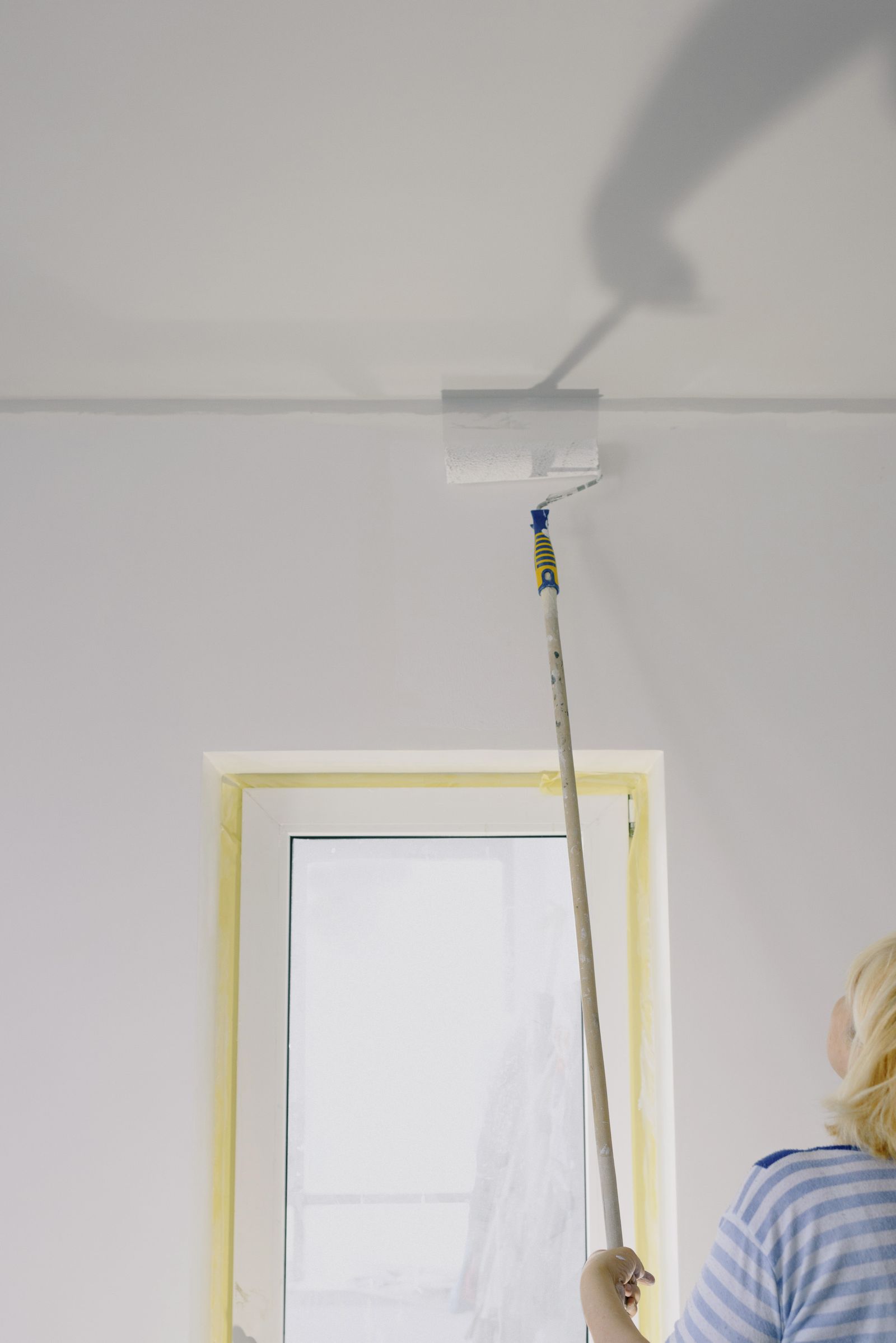
Tell each painter whether the project includes walls, ceilings, baseboards, doors, window trim, closets, or other surfaces. A quote for walls alone should not be compared directly with a quote that includes ceilings and detailed trim.
Walk through the rooms with the contractor or provide clear photos if an in-person visit isn’t possible. Ask the painter to identify which areas are included and which are excluded in the written proposal.
If you want only part of a room painted, explain where the new finish should begin and end. A painter may need to assess how that choice affects color matching and the final appearance.
Ask how preparation is priced
Preparation can include protecting the room, cleaning surfaces, filling small holes, sanding, and applying primer where needed. Ask what level of preparation is included and what conditions would require a separate charge.
A small nail hole and a damaged section of drywall are different tasks. If the painter sees cracks, peeling material, moisture, or a large repair, ask who will evaluate the cause and whether repair is part of this proposal.
Paint should not be treated as a cure for an active leak. Resolve the underlying moisture issue and discuss the condition of the surface before authorizing a cosmetic finish.
Check for lead-paint precautions in older homes
If your home was built before 1978, ask the contractor about possible lead-based paint before sanding or disturbing painted surfaces. The EPA explains that its renovation, repair, and painting program applies to certain work in older homes and other covered facilities.
The requirements and safe-work practices depend on the project and circumstances. Ask an appropriately qualified contractor how the work will be assessed and priced; don’t assume a standard painting quote includes any special testing or precautions.
If the contractor recommends a separate assessment or containment work, request a written description and price. That helps you compare proposals without treating safety-related preparation as an unexplained last-minute extra.
Confirm the paint and number of coats
Ask who supplies the paint and which product, color, and finish are included. If you haven’t selected a color, find out whether the estimate uses an allowance and how the price changes after you choose.
The proposal should explain the planned coats and any primer, while allowing for the actual condition of the surface. If a color change or difficult surface may require additional work, ask how that possibility will be priced and approved.
Keep the product name and color information after the project. It can help you discuss future touch-ups, though a later batch or an aged surface may not look exactly the same.
Compare labor and material terms
Some painters give a flat project price; others may quote by room, surface area, or time. Ask what the unit measures and whether paint, preparation, protection, and cleanup are included.
A square-foot figure can refer to different measurements. Confirm whether it refers to the floor area of the room or the surface area to be painted before using it in a calculation.
If you provide the paint, ask whether the painter will check that the product is suitable for the planned surface and whether that affects the labor warranty. The written scope should identify who buys any additional material needed.
Include the work around the painting
Ask who moves furniture, removes wall hangings, protects floors, and reinstalls outlet covers or hardware. A quote that assumes an empty room may not include the same preparation as one that includes furniture handling.
Find out what happens to supplies and debris after the job. Ask whether cleanup, removal of protective materials, and ordinary touch-ups are part of the price.
If another trade will repair drywall or address water damage, clarify the order of work and who is responsible for the finished surface. A gap between two contracts can leave you arranging an unexpected task.
Put proposals on a comparable basis
Imagine quote A is $700 for walls and includes a separately stated $150 for trim. Quote B is $825 for the same walls and trim. The illustrative totals would be $850 and $825 if all other work matched.
Then check ceilings, preparation, paint, furniture handling, and cleanup. A lower base price isn’t a reliable comparison if one proposal leaves out a task you need.
Write down the rooms, surfaces, product, planned coats, repairs, and payment terms for each offer. Ask the painter to clarify anything that is missing instead of assuming it is included.
Plan for surprises and changes
A painter may find an issue after removing loose material or moving furniture. Ask how the condition will be documented and how the price will be approved before additional work starts.
You can hold a separate reserve in your budget for uncertain repairs. That reserve is your planning choice, not an automatic fee or permission for unapproved work.
If you change colors or add a room after receiving the estimate, request a revised scope and price. Keep the approved change with the original proposal so the final invoice can be checked against both.
Ask about access and timing
Tell the painter if a room must remain usable, if a pet needs to be kept away from the work area, or if the building has access restrictions. Those details can affect how the crew sequences the work.
Ask when you need to choose colors and clear personal items. If the contractor will move larger furniture, identify any pieces that require special handling and confirm that the task is included.
A written schedule can be an estimate rather than a guarantee. Ask how the company will communicate a delay and whether another trade’s unfinished work could affect the start date.
Review the contractor and schedule
The FTC recommends checking references and getting home improvement agreements in writing. Verify applicable local licensing and insurance, and review the payment schedule before signing.
Ask how long the project is expected to take, when the rooms will be accessible, and whether the crew will return for a final walkthrough. The timing can change if preparation or other work is still unresolved.
After completion, review the work with the painter and discuss any agreed corrections. Save the invoice, paint details, warranty terms, and approved changes with your home records.
A useful estimate tells you what will be painted and what it will take to prepare and finish those surfaces. Use the published range to frame questions, then compare the written proposals for your specific rooms.
Sources
- Housecall Pro: Painting price guide, posted March 6, 2026. Published single-room range and cost factors.
- EPA: Lead renovation, repair and painting program. Guidance for covered work in older properties.
- FTC: How to avoid a home improvement scam. Written agreements and contractor checks.