
A plumber’s hourly rate is only one part of a service bill. You may also see a charge for the visit or diagnosis, a minimum amount of labor, parts, and a different rate for work outside normal hours.
Before you book, describe the problem and ask how the company prices the visit. A clear explanation helps you budget for the first appointment even when the repair itself can’t be quoted until the plumber has inspected it.
Start with the pricing units
In a guide updated October 20, 2026, Housecall Pro reported typical residential rates of $75 to $150 per hour and a $50 to $250 service call fee. The guide says these ranges were drawn from consumer cost guides, so they are compiled benchmarks rather than a quote or a record of one provider’s charges.
Your price depends on the work, location, timing, and company’s terms. Ask whether a service call fee is charged in addition to labor and whether any part of it is credited toward an approved repair.
A rate quoted over the phone may cover only the visit or diagnosis. Don’t treat it as the total until you know what work and materials it includes.
Describe the problem without guessing the repair
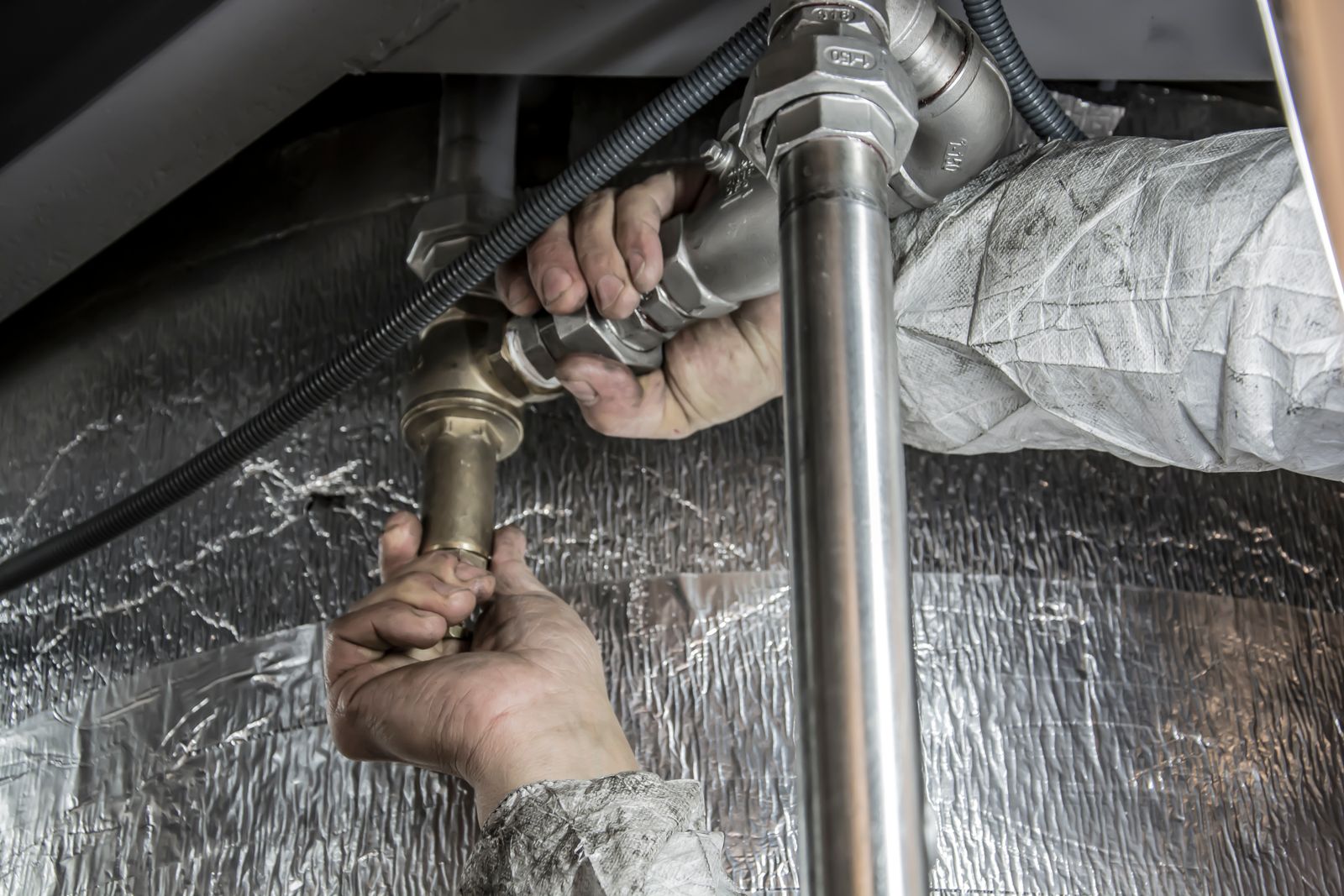
Tell the company what you observe, where the issue is, and when it began. A dripping faucet, a slow drain, and water appearing under a cabinet can require different assessments even if they are all described as a leak.
Mention whether water is actively flowing, whether the problem affects more than one fixture, and whether you have already taken any safe steps. Ask what information or photos would help the plumber prepare for the visit.
Avoid requesting a particular replacement part as though the cause is confirmed. A useful estimate should distinguish the diagnosis from the work recommended after the plumber sees the problem.
Ask what the service call covers
A service call may cover travel, an initial inspection, a set amount of diagnostic time, or another defined service. Providers use the term differently, so request the details rather than assuming it means one hour of repair labor.
Ask whether the charge is owed if you decide not to proceed and whether it is reduced or credited if you approve the work. Also confirm any trip charge, parking fee, or minimum job charge that could appear separately.
For an example, a $100 visit fee plus two hours at an assumed $100 per hour is $300 before parts or other charges. If the provider credits the $100 toward labor, the calculation would be different; the company’s written terms control the actual bill.
Compare hourly and flat-rate estimates
An hourly quote should explain when the clock starts, whether there is a minimum, and how additional time is billed. Ask whether the rate is for one plumber or a team and what happens if another worker is needed.
A flat price should identify the repair, parts, and work included. Ask what could change the price and how the plumber will notify you before performing work outside that scope.
Neither format automatically tells you the final cost when the cause is unknown. You can ask for a diagnosis first, then review a written repair price before authorizing the next step.
Ask about parts and materials
A quote may include standard parts or list them separately. Ask the company to identify the component it proposes to use, whether an alternative is available, and whether the quoted price includes pickup or delivery.
If you already purchased a fixture, confirm whether the plumber will install customer-supplied material and how that affects the labor price or warranty. The company may need to check compatibility before accepting the job.
Keep the model information and invoice for any installed part. If a repair requires opening a wall or cabinet, ask whether restoring the surface afterward is included or needs a separate professional.
Clarify emergency and after-hours charges
A problem outside normal business hours may be priced differently. Ask what rate applies at the time of the call, whether a separate emergency fee is charged, and when the provider expects to arrive.
The urgency depends on the situation. If water is actively causing damage or there is another immediate hazard, prioritize the safety instructions from the appropriate local professional or emergency service rather than waiting solely to compare a routine rate.
If it is safe to wait, ask for both the next available regular appointment and the after-hours option. Confirm what each price covers so you can weigh timing with the expected charge.
Consider access and hidden conditions
A plumber may not know the full scope until a fixture is removed or a concealed area is opened. Ask what diagnostic work is authorized for the first visit and how you will be told about unexpected conditions.
If a quoted repair depends on an assumption, have the assumption written down. For example, a proposal might exclude work inside a wall or repairs to damaged flooring until the area can be inspected.
A change order should describe the additional work and price before you approve it. Keep a separate personal reserve for uncertainty, but don’t treat that reserve as an automatic charge from the company.
Check the estimate and company
Ask for the company’s legal name, contact information, and a written description of the proposed work. Verify licensing and insurance requirements with the relevant local authority, since rules differ by location and job.
The FTC recommends checking references and obtaining written estimates for home improvement work. Review payment terms, any deposit, the schedule, and who will perform the work before you sign.
Ask whether permits or inspections are required for the proposed project and who will arrange them. A small service call and a larger replacement may have different requirements; the local authority and contractor can explain what applies.
Put two quotes on the same basis
List the call fee, diagnostic allowance, labor, parts, permits, and any surface restoration in each proposal. Mark an item as unknown if the company hasn’t answered, rather than assuming it is included.
Imagine quote A lists $150 for a repair plus a $75 visit fee, while quote B lists $210 including the visit. If both cover the same work and parts, the illustrative totals are $225 and $210.
If one company has not yet diagnosed the problem, the quotes may still describe different work. Ask what each price assumes and what would require a new approval before choosing on the number alone.
Prepare the work area
Ask whether you should clear a cabinet, provide access to a utility room, or keep pets away during the visit. The plumber can explain what needs to be accessible without asking you to dismantle a fixture yourself.
If access is limited, tell the company before it arrives and ask whether that changes the visit charge. Keep any photos or notes you supplied with the estimate so the plumber can compare them with the condition on site.
Keep a record after the visit
Ask for an itemized invoice that identifies the work performed, parts installed, and any additional charges you approved. Keep the written warranty terms and a contact number for questions if the problem returns.
If the plumber recommends follow-up work, ask what is urgent, what can be scheduled separately, and how the recommendation relates to the observed condition. You can then plan the next expense without treating an estimate as an automatic authorization.
A good service-call quote makes the initial charge and its limits clear. The final repair price should follow a diagnosis and a scope you understand.
Sources
- Housecall Pro: Plumbing prices, updated October 20, 2026. Compiled national hourly and service-call benchmarks.
- FTC: How to avoid a home improvement scam. Written estimates and contractor checks.